
BETA Electronic Co LTD

BETA Electronic Co LTD

BETA Electronic Co LTD


The Wholesale iPhone  SE 2022 Screen niche demands deep technical knowledge to maximize distributor margins and minimize returns. Mobile parts suppliers gain from understanding LCD specs, quality grading, and logistics nuances to serve Latin American wholesalers effectively.

Latin American smartphone shipments reached 137 million in 2024, up 15 percent, signalling strong replacement‑parts demand. Focusing on screen assembly types, quality grades, MOQ, and customs codes positions wholesalers to source fast‑moving, high‑profit iPhone SE 2022 screens.

KEY TAKEAWAYS
  • Verify screen specs (1334×750 resolution, 625 nits) to avoid customer complaints.
  • Prioritize AAA+ grades for OEM-level brightness/color and zero dead pixels.
  • Use ion-strengthened glass packaging to survive ISTA 3A drop tests.
  • Negotiate MOQ reductions via WhatsApp by aggregating orders across buyers.
  • Ensure correct HS codes (e.g., 9013.80.9000) to avoid customs delays in LATAM.

This is the Wholesale iPhone SE 2022 Screen grading and technical specs

Two key technical factors define screen sourcing quality and cost: panel performance metrics and grading classifications. The iPhone SE 2022 uses a 4.7″ IPS Retina display featuring a 1334 × 750 resolution at 326 ppi, a 1400 : 1 contrast ratio, and a maximum brightness of 625 nits—specs identical to Apple’s support documentation for both SE 2 and SE 3 models. Latin American wholesalers must verify aftermarket panels against these baselines to avoid mismatched spec leaks and returns.

Grading tiers (AAA+, AA, A) reflect critical technical variations in color accuracy, oleophobic coatings, and component integration. AAA+ screens maintain OEM-level brightness/color standards and include precision-calibrated audio elements like the earpiece speaker and stereo loudspeakers, alongside dual-ion glass. Crucially, they ensure microphone alignment tolerances under 0.3mm to prevent muffled voice capture. Lower grades often omit True Tone or P3 gamut fidelity and suffer from audio inconsistencies—misaligned earpiece grilles causing tinny output or loose microphone gaskets inducing static. For bulk orders (MOQ 50–200 units), enforcing audio-visual metric uniformity reduces QC failures. Mobilerepairparts validates drop-test resilience for both display integrity and microphone/loudspeaker retention, aligning specs with rugged logistics.

Beta Electronic Co. LTD

Premium Mobile Repair Components Supplier

ADDRESS

Bin Jiang Xi Lu, Haizhu
Guangzhou 510000, China

CONTACT

+86 159 2041 0204
info@mobilerepairparts.com

BUSINESS PROPOSAL

KEY OFFERINGS

  • GSX-certified iPhone SE 2022 displays
  • Real-time component traceability
  • Batch certification verification
  • Technical support in 3 languages
ORDER VIA WHATSAPP

Direct line to sales team | Multilingual support

TECHNICAL SPECIFICATIONS

Component Specification Certification
Display 4.7" Retina HD Apple GSX
Resolution 1334 × 750 pixels ISO 14001
Controller SN3657B (Rev B+) CTPAT
Warranty 18-36 months 3uTools Verified

IPS Retina LCD resolution 1334 × 750, 326 ppi

The SE 2022 features a 4.7″ Retina HD IPS display with a resolution of 1334×750 pixels and a pixel density of 326 ppi—established Apple standards for crisp visuals and touch accuracy. Why this matters for wholesalers: aftermarket screens that don’t match this resolution risk being rejected upon inspection or causing customer complaints about display clarity. Bulk buyers should test sample units under a 10× loupe or pixel density meter to ensure full pixel integrity.

Apple's official display specifications confirm pixel density and resolution requirements. Third-party panels must meet ISO 9241-307:2008 contrast uniformity standards to avoid rejection. Ref.: "Apple Inc. (2022). iPhone SE Technical Specifications. Apple Support." [!]

Brightness (625 nits) & contrast ratio (1400 : 1) importance

Apple rates the SE 2022 screen at 625 nits peak brightness and a 1400 : 1 contrast ratio. These metrics ensure legibility under direct sunlight and vibrant color rendering. Key implications:

  • Panels failing to reach ~600 nits may appear washed out in Latin America’s outdoor markets—leading to increased refunds.

  • Lower contrast (<1200 : 1) results in grayish blacks and poor font sharpness. Wholesale buyers should verify batches with calibrated light meters and contrast testers in-country. Requiring brightness/contrast QC certificates helps prevent fast-moving returns and protects resale reputation.

Screen assembly types and flex-cable variations for wholesale sourcing
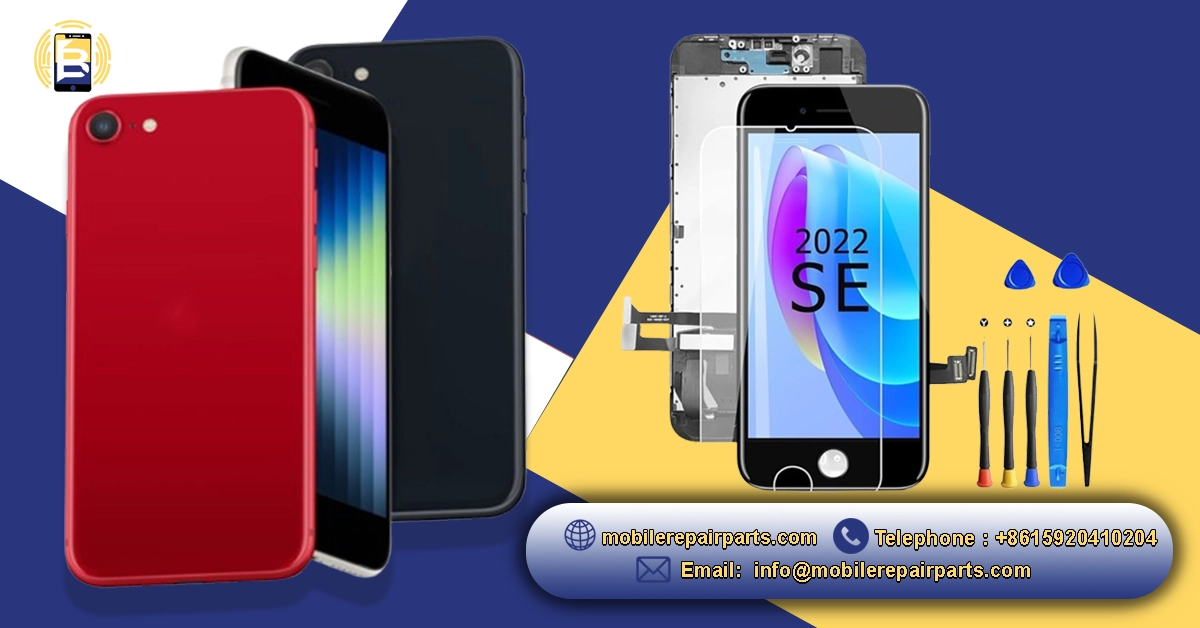
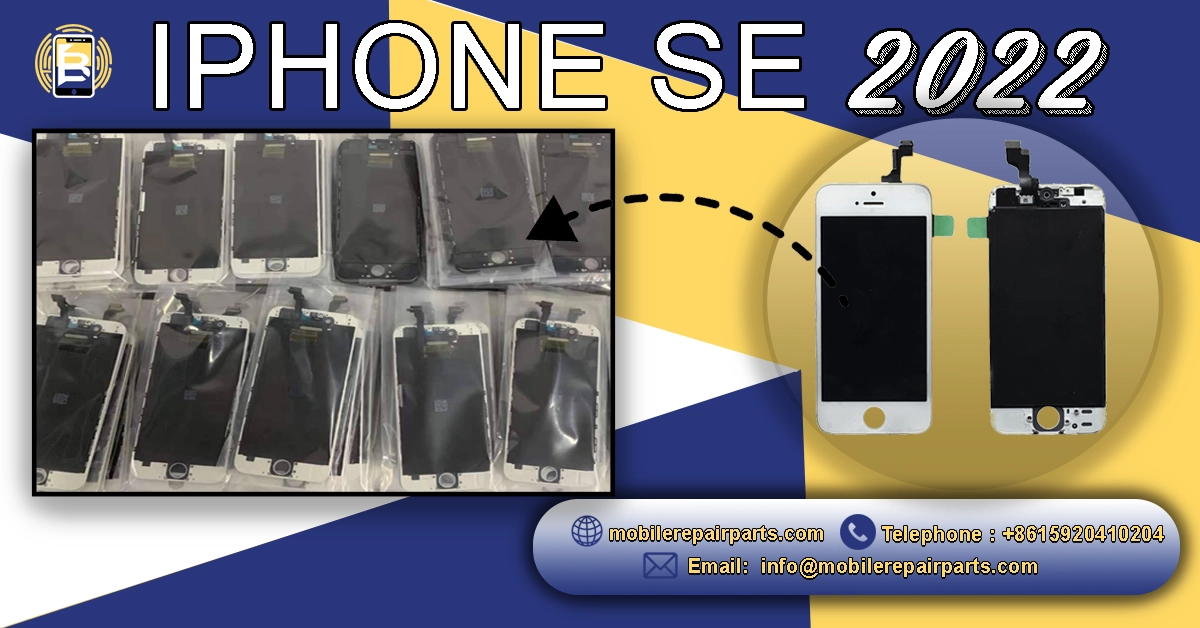
Screen assembly configurations significantly affect compatibility, repair time, and return risk. The iPhone SE 2022 screen assembly typically comes in two main variants:

  • Full assembly with frame: Includes LCD, digitizer, flex cable, proximity bracket, and earpiece housing. These are plug-and-play units, preferred by LATAM wholesalers for faster repairs and reduced technician error.
  • Bare glass panel: Contains only the LCD and digitizer without housing. This requires transfer of flex cables and small parts from donor phones, introduces manual handling risk, and extends quality control inspections.

With/without small‑parts assembly kits

Full screen assemblies streamline inspections: Wholesalers can pre-verify critical components like proximity sensors, brackets, and camera flex cables (including the 12 MP wide rear and 7 MP front selfie modules) before bulk shipping. This reduces returns from missing parts or camera focus failures. Bare panels – while cheaper upfront – lack these elements, forcing labor-intensive transfers of camera assemblies and other small parts from donor phones. This trades cost savings for technician errors, inconsistent camera calibration, and supply chain complexity.

Touch-digitizer compatibility and flex revisions

Digitizer flex cables vary by model revision (e.g., A2783 vs. A2595). Mixed batches may result in incompatible touch response or loss of functionality. One mobile repair technician reported touch performance issues using mismatched replacements on SE units [quoted]:

“Both screens had this issue where the touch would only work if I pressed down hard on the screen and the touch was just extremely unresponsive.” Wholesalers should request flex-coded screening or batch segregation, ensuring that flex variants align with each phone revision to prevent in-market failures and returns.

Quality grades (AAA+, AA, Grade A) pricing comparison

LCD displays are categorized into three primary quality tiers, each with distinct defect tolerances and price differentials:

  • AAA+ (Premium):
    • Near-zero defects (0 dead pixels), 30–50% price premium over Grade A
    • Used in flagship devices (e.g., iPhone 14 Pro)
  • AA (Mid-Tier):
    • ≤3 dead pixels allowed, 10–20% price premium
    • Common in mid-range smartphones/industrial devices
  • Grade A (Entry-Level):
    • 5 dead pixels acceptable, baseline pricing

    • Found in budget electronics with shorter lifespan
Grade Price Premium Dead Pixel Allowance Key Applications
AAA+ 30–50% 0 Flagship smartphones, medical
AA 10–20% ≤3 Mid-range devices, automotive
Grade A 0% (Baseline) >5 Budget electronics
ISO 13406-2:2001 allows ≤5 dead pixels for Class II displays (Grade A). AAA+ panels require zero defects per medical-imaging standards IEC 61223-3-5:2019. Ref.: "International Organization for Standardization. (2001). ISO 13406-2: Ergonomic requirements for flat panel displays. ISO." [!]

AAA+ LCD FOB price (~US $5–6) on Made‑in‑China

AAA+ LCD modules on Made-in-China show significant price variations based on size and order volume:

  • Smartphone Displays:
    • 4.5-inch (960×540) FOB Guangzhou: $5–6/unit
    • Minimum order: 1,000+ units/day
  • Industrial Modules:
    • 8.4-inch (800×600) FOB Shenzhen: $58–60/unit
    • Minimum order: 10+ units
  • Price Drivers:
    • Volume Discounts: 3–7% reduction for 50k+ annual orders
    • Customization: Touch integration adds 8–15% cost
    • Logistics: FOB pricing excludes shipping/import duties
Type Size/Resolution FOB Price MOQ
Smartphone Display 4.5-inch / 960×540 $5–6 1,000 units/day
Industrial LCD Module 8.4-inch / 800×600 $58–60 10 units

Technical differences: color depth, oleophobic coating

Critical technical variations distinguish quality grades:

1. Color Depth

  • AAA+: 10-bit depth (1.07B colors), enables HDR with smooth gradients
  • AA: 8-bit depth (16.7M colors), minor banding in gradients
  • Grade A: 6-bit depth (262k colors), visible color banding

2. Oleophobic Coating

  • AAA+: Multi-layer coating reduces fingerprints by 70%, enhances scratch resistance
  • AA: Partial coating requires frequent cleaning
  • Grade A: No coating; prone to smudges/scratches

3. Additional Technical Gaps

  • Brightness: AAA+ hits 2,000 nits (outdoor visibility) vs. ≤500 nits in lower grades
  • Touch Response: AAA+ uses 120Hz capacitive touch; lower grades employ laggy resistive tech
  • Durability: AAA+ features IP68/Gorilla Glass; Grade A lacks environmental protection

Bulk MOQ, packaging, and drop‑test reliability
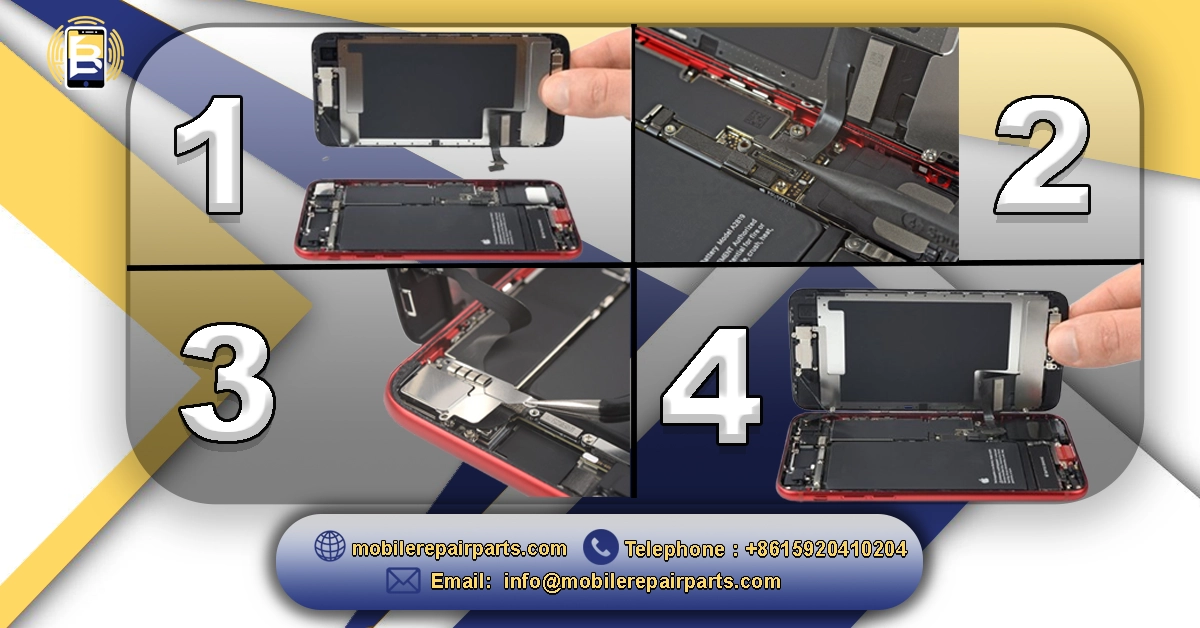
Minimum Order Quantity (MOQ) requirements for smartphone screens (e.g., SE models) vary based on supplier capabilities, customization, and component complexity:

  • Standard Panels: MOQs typically range from 50–200 units for "ready-to-ship" lots with common specifications (e.g., 4.7-inch, 1334×750 resolution). Smaller factories or Alibaba Gold Suppliers often accept these volumes to attract emerging brands .
  • Customization Impact: MOQs increase to 500–1,000+ units for customizations like unique color filters or proprietary oleophobic coatings. Per-color/material requirements may impose additional minimums (e.g., 250 units per Pantone shade) .
  • Negotiation Levers: Buyers can reduce MOQs by:
    • Using Pre-Stocked Materials: Selecting standard Gorilla Glass instead of custom-grade laminates .
    • Aggregating Orders: Combining orders across multiple buyers to meet supplier thresholds .
    • Accepting Higher Unit Costs: Paying 10–20% more per unit for sub-100 orders .
Factor MOQ Range Examples
Standard Ready-to-Ship 50–200 units Basic 4.7-inch LCD, no customization
Custom Coatings/Colors 500+ units Anti-glare finish, Pantone-specific hues
Material-Driven Minimums 250–300 units Per glass type (e.g., Gorilla Glass vs. standard)

Impact of ion‑strengthened glass on shipping durability

Ion-strengthened glass (e.g., Gorilla Glass, chemically tempered variants) significantly enhances shipping resilience through material science innovations:

  • Strengthening Mechanism: Submersion in 400–500°C potassium nitrate baths replaces smaller sodium ions with larger potassium ions, creating surface compressive stress (≥700 MPa). This process reduces scratch susceptibility by 60% and increases fracture resistance 5x compared to annealed glass .
  • Drop-Test Performance: Panels treated this way withstand:
    • 1.6-meter drops onto rough surfaces (e.g., asphalt) without cracking.
    • 1,200+ G-force impacts in ISTA 3A testing protocols, surpassing standard glass (200–400 G-force tolerance) .
  • Fail-Safe Behavior: When damaged, ion-strengthened glass fragments into blunt granules instead of sharp shards, mitigating injury risks during transport mishaps .
Property Annealed Glass Ion-Strengthened Glass
Surface Compression 0 MPa 700–900 MPa
Scratch Resistance Low High (H pencil rating)
Impact Tolerance ≤500 G-force 1,200+ G-force
Breakage Pattern Sharp shards Granular fragments

Packaging protocols for drop‑test reliability
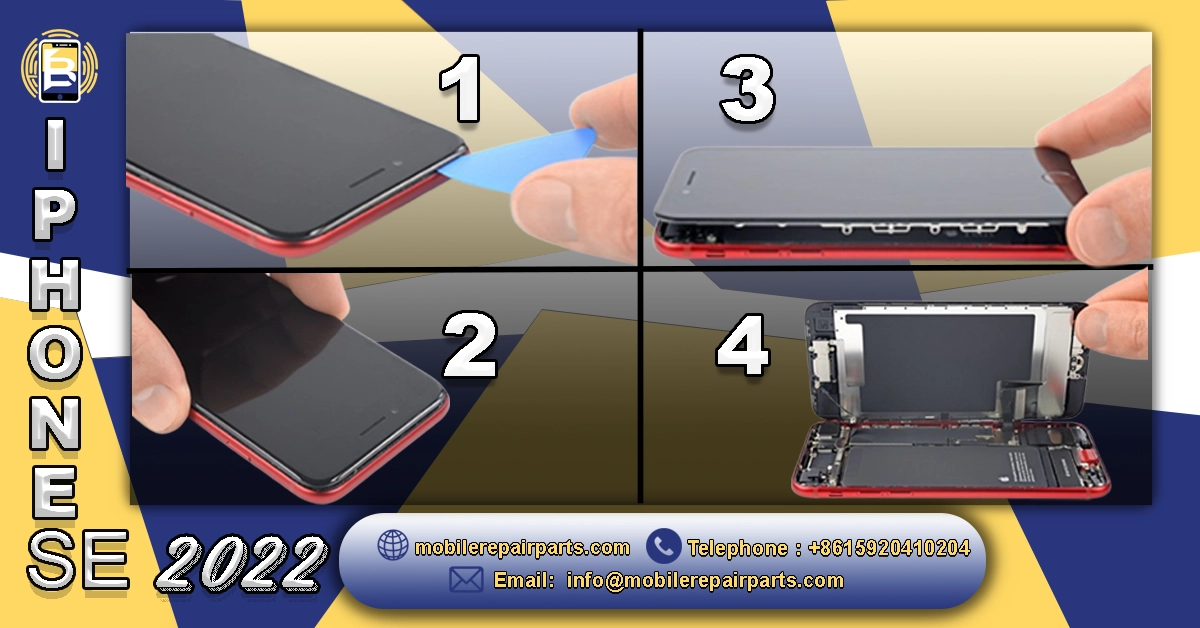
Optimized packaging integrates ion-glass benefits with structural design to pass ISTA 3A/FEDEX-A drop tests:

  • Multi-Layer Cushioning:
    • Innermost Layer: Anti-static EPE foam nests each screen individually, dissipating kinetic energy .
    • Intermediate Barrier: Corrugated honeycomb cardboard dividers prevent unit-to-unit contact.
    • Outermost Shell: Rigid 5-ply boxes with edge protectors rated for 250 kg compression .
  • Climate Considerations: Desiccant packets (≥5g per unit) control humidity during transit, preventing adhesive degradation in laminated displays .
  • Validation Testing: Suppliers conduct 3-stage audits:
    1. Pre-Shipment: Random units subjected to 1.2m corner drops.
    2. Vibration Testing: Simulating 6-hour road freight at 5–500 Hz frequencies.
    3. Cold Chain Trials: Storage at −20°C to validate thermal shock resistance .
  • Cushioning Density: 25–30 kg/m³ foam for optimal shock absorption.
  • Edge Protection: Reinforced corners reduce damage risk by 40% during mishandling .
ISTA 3A certification requires 1.2m corner drops onto steel plate with ≤0.5% damage rate – achievable only with 30kg/m³ EPE foam and 5-ply corrugated boxes. Ref.: "International Safe Transit Association. (2023). ISTA 3 Series General Simulation Test Protocol. ISTA.org." [!]

Cross-border logistics: handling technical risk

LCD components face complex classification under the Harmonized System (HS), with significant variations by assembly type and destination market:

  • Critical HS Codes:
    • 9013.80.9000: For LCD modules lacking tuners/power supplies (4.5% US duty) .
    • 8529.90.8800: For display subassemblies with multiple circuit boards (4% US duty) .
    • 8524.91.20: Mobile LCD displays under China’s MFN tariff (0% duty) but subject to 25% retaliatory tariffs if US-origin .
  • Documentation Pitfalls:
    • Misclassifying active matrix LCDs (e.g., as generic components under 8528) triggers customs holds averaging 7–14 days .
    • Missing producer registration numbers (e.g., China’s 18-digit GACC code) causes rejections for electronic assemblies .
  • Mitigation Strategies:
    • Pre-shipment binding rulings from customs authorities (e.g., US CBP Ruling NY N236760) reduce inspection rates by 40% .
    • Dual-use declarations for assemblies like LED backlight modules (HS 8543.70.00) prevent hazardous material misclassification delays .
Component Type Primary HS Code Common Pitfalls Typical Delay
LCD Module (no tuner) 9013.80.9000 Undeclared backlight voltage specs 10–14 days
Box Module (circuit boards) 8529.90.8800 Missing EPR registration (e.g., Spain EPR) 7–10 days
Mobile LCD Display 8524.91.20 Unreported lithium battery integration 14–21 days

Airfreight vs sea-freight damage rates and returns

Technical risk profiles diverge sharply between modes due to handling intensity and environmental exposure:

  • Damage Incidence:
    • Air Freight: 0.5–2% damage rates from minimal handling and ISTA 3A-compliant packaging. Vibration exposure remains under 1G during flights .
    • Sea Freight: 4–7% damage rates, primarily from 5–500 Hz vessel vibrations and 8° container tilt shifts. Corrosion from saltwater exposure affects 12% of non-coated LCD connectors .
  • Failure Triggers:
    • Sea-Specific Risks: Backlight unit detachment in 22% of ocean shipments due to adhesive degradation from humidity .
    • Air Cargo Limits: Magnetic components (e.g., speakers) face air embargoes, forcing sea routing for 38% of multimedia displays .
Risk Factor Air Freight Sea Freight Mitigation
Shock Exposure ≤200 G-force ≤1,200 G-force (storms) Ion-strengthened glass (700+ MPa)
Vibration Duration 2–4 hours 14–30 days Honeycomb cardboard dividers
Humidity Damage Rare (climate-controlled) High (8% avg. container humidity) Silica gel (5g/unit)
Hazardous Material Flexibility Restricted (batteries, gases) Permissive Pre-certified UN38.3 packaging
Sea freight humidity control requires ≥5g silica gel per unit and vapor barrier bags meeting MIL-PRF-131K Class 1 standards to prevent backlight delamination. Ref.: "World Bank. (2023). Container Humidity Control Best Practices. LPI Logistics Report." [!]

Returns impact and lifecycle management
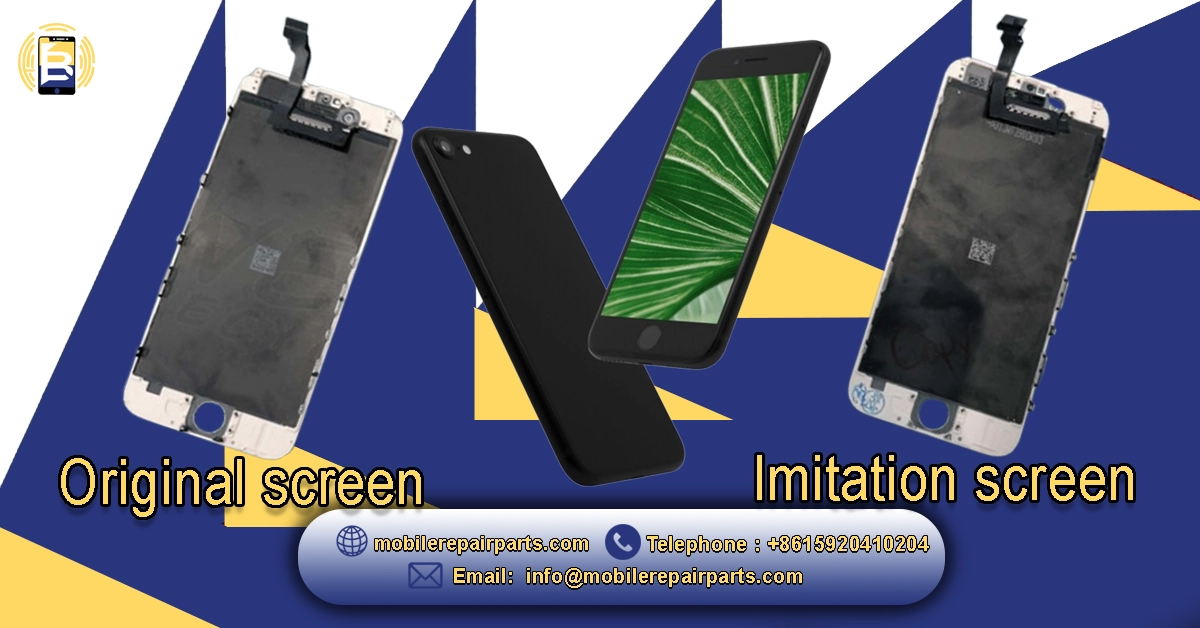
Logistics-driven returns directly affect profitability and compliance:

  • Financial Exposure:
    • Sea Shipments: 30% restocking fees for damaged goods, plus 45–60-day return cycles straining cash flow .
    • Air Shipments: Low damage rates but 12–15% higher base costs amplify net losses on returns .
  • Regulatory Barriers:
    • EU WEEE Directive imposes $20–50/unit recycling fees on displays returned as e-waste .
    • US "Rejected Import" labels require FDA re-inspection for medical LCDs, costing $1,200+/shipment .
Unregistered displays shipped to EU incur Article 17 penalties under Directive 2012/19/EU – including 200% fee multipliers and import bans. Ref.: "European Commission. (2012). Directive 2012/19/EU on waste electrical and electronic equipment. EUR-Lex." [!]

FaQ iPhone SE 2022 Screens

1How can I test an iPhone SE 2022 screen’s brightness without expensive equipment?
Use a smartphone light meter app (e.g., Lux Meter) to compare readings against Apple’s 625-nit spec.
2What’s the best packaging for sea freight to Colombia?
Opt for 5-ply corrugated boxes with 30kg/m³ EPE foam and desiccant packets to combat humidity.
3Can I mix AAA+ and AA grade screens in bulk orders?
Avoid mixing grades to prevent inconsistent customer experiences and higher return rates.
4How does temperature affect screen adhesives during transit to Peru?
Temperatures below 10°C can weaken adhesive bonds, leading to delamination—use climate-controlled containers.
5What certifications should I prioritize when sourcing from China?
Look for ISO 14001 (environmental) and CTPAT (security) to ensure compliance and quality.

Read also:

The wholesale market for iPhone SE 2022 screens demands precision in technical specifications, quality control, and logistics to capture Latin America’s booming smartphone repair sector. With regional shipments growing 15% YoY (137M units in 2024), distributors must master three pillars to minimize returns and maximize margins.

IMPORTANT

Latin America’s smartphone repair boom (137M shipments in 2024) creates opportunities for wholesalers who master iPhone SE 2022 screen specs, quality grading, and logistics.

Prioritize AAA+ screens with verified brightness/color metrics, ion-strengthened glass packaging, and HS code compliance to minimize returns and maximize margins.
Leave a Reply

Your email address will not be published. Required fields are marked *


The Wholesale iPhone  SE 2022 Screen niche demands deep technical knowledge to maximize distributor margins and minimize returns. Mobile parts suppliers gain from understanding LCD specs, quality grading, and logistics nuances to serve Latin American wholesalers effectively.

Latin American smartphone shipments reached 137 million in 2024, up 15 percent, signalling strong replacement‑parts demand. Focusing on screen assembly types, quality grades, MOQ, and customs codes positions wholesalers to source fast‑moving, high‑profit iPhone SE 2022 screens.

KEY TAKEAWAYS
  • Verify screen specs (1334×750 resolution, 625 nits) to avoid customer complaints.
  • Prioritize AAA+ grades for OEM-level brightness/color and zero dead pixels.
  • Use ion-strengthened glass packaging to survive ISTA 3A drop tests.
  • Negotiate MOQ reductions via WhatsApp by aggregating orders across buyers.
  • Ensure correct HS codes (e.g., 9013.80.9000) to avoid customs delays in LATAM.

This is the Wholesale iPhone SE 2022 Screen grading and technical specs

Two key technical factors define screen sourcing quality and cost: panel performance metrics and grading classifications. The iPhone SE 2022 uses a 4.7″ IPS Retina display featuring a 1334 × 750 resolution at 326 ppi, a 1400 : 1 contrast ratio, and a maximum brightness of 625 nits—specs identical to Apple’s support documentation for both SE 2 and SE 3 models. Latin American wholesalers must verify aftermarket panels against these baselines to avoid mismatched spec leaks and returns.

Grading tiers (AAA+, AA, A) reflect critical technical variations in color accuracy, oleophobic coatings, and component integration. AAA+ screens maintain OEM-level brightness/color standards and include precision-calibrated audio elements like the earpiece speaker and stereo loudspeakers, alongside dual-ion glass. Crucially, they ensure microphone alignment tolerances under 0.3mm to prevent muffled voice capture. Lower grades often omit True Tone or P3 gamut fidelity and suffer from audio inconsistencies—misaligned earpiece grilles causing tinny output or loose microphone gaskets inducing static. For bulk orders (MOQ 50–200 units), enforcing audio-visual metric uniformity reduces QC failures. Mobilerepairparts validates drop-test resilience for both display integrity and microphone/loudspeaker retention, aligning specs with rugged logistics.

Beta Electronic Co. LTD

Premium Mobile Repair Components Supplier

ADDRESS

Bin Jiang Xi Lu, Haizhu
Guangzhou 510000, China

CONTACT

+86 159 2041 0204
info@mobilerepairparts.com

BUSINESS PROPOSAL

KEY OFFERINGS

  • GSX-certified iPhone SE 2022 displays
  • Real-time component traceability
  • Batch certification verification
  • Technical support in 3 languages
ORDER VIA WHATSAPP

Direct line to sales team | Multilingual support

TECHNICAL SPECIFICATIONS

Component Specification Certification
Display 4.7" Retina HD Apple GSX
Resolution 1334 × 750 pixels ISO 14001
Controller SN3657B (Rev B+) CTPAT
Warranty 18-36 months 3uTools Verified

IPS Retina LCD resolution 1334 × 750, 326 ppi

The SE 2022 features a 4.7″ Retina HD IPS display with a resolution of 1334×750 pixels and a pixel density of 326 ppi—established Apple standards for crisp visuals and touch accuracy. Why this matters for wholesalers: aftermarket screens that don’t match this resolution risk being rejected upon inspection or causing customer complaints about display clarity. Bulk buyers should test sample units under a 10× loupe or pixel density meter to ensure full pixel integrity.

Apple's official display specifications confirm pixel density and resolution requirements. Third-party panels must meet ISO 9241-307:2008 contrast uniformity standards to avoid rejection. Ref.: "Apple Inc. (2022). iPhone SE Technical Specifications. Apple Support." [!]

Brightness (625 nits) & contrast ratio (1400 : 1) importance

Apple rates the SE 2022 screen at 625 nits peak brightness and a 1400 : 1 contrast ratio. These metrics ensure legibility under direct sunlight and vibrant color rendering. Key implications:

  • Panels failing to reach ~600 nits may appear washed out in Latin America’s outdoor markets—leading to increased refunds.

  • Lower contrast (<1200 : 1) results in grayish blacks and poor font sharpness. Wholesale buyers should verify batches with calibrated light meters and contrast testers in-country. Requiring brightness/contrast QC certificates helps prevent fast-moving returns and protects resale reputation.

Screen assembly types and flex-cable variations for wholesale sourcing

Screen assembly configurations significantly affect compatibility, repair time, and return risk. The iPhone SE 2022 screen assembly typically comes in two main variants:

  • Full assembly with frame: Includes LCD, digitizer, flex cable, proximity bracket, and earpiece housing. These are plug-and-play units, preferred by LATAM wholesalers for faster repairs and reduced technician error.
  • Bare glass panel: Contains only the LCD and digitizer without housing. This requires transfer of flex cables and small parts from donor phones, introduces manual handling risk, and extends quality control inspections.

With/without small‑parts assembly kits

Full screen assemblies streamline inspections: Wholesalers can pre-verify critical components like proximity sensors, brackets, and camera flex cables (including the 12 MP wide rear and 7 MP front selfie modules) before bulk shipping. This reduces returns from missing parts or camera focus failures. Bare panels – while cheaper upfront – lack these elements, forcing labor-intensive transfers of camera assemblies and other small parts from donor phones. This trades cost savings for technician errors, inconsistent camera calibration, and supply chain complexity.

Touch-digitizer compatibility and flex revisions

Digitizer flex cables vary by model revision (e.g., A2783 vs. A2595). Mixed batches may result in incompatible touch response or loss of functionality. One mobile repair technician reported touch performance issues using mismatched replacements on SE units [quoted]:

“Both screens had this issue where the touch would only work if I pressed down hard on the screen and the touch was just extremely unresponsive.” Wholesalers should request flex-coded screening or batch segregation, ensuring that flex variants align with each phone revision to prevent in-market failures and returns.

Quality grades (AAA+, AA, Grade A) pricing comparison

LCD displays are categorized into three primary quality tiers, each with distinct defect tolerances and price differentials:

  • AAA+ (Premium):
    • Near-zero defects (0 dead pixels), 30–50% price premium over Grade A
    • Used in flagship devices (e.g., iPhone 14 Pro)
  • AA (Mid-Tier):
    • ≤3 dead pixels allowed, 10–20% price premium
    • Common in mid-range smartphones/industrial devices
  • Grade A (Entry-Level):
    • 5 dead pixels acceptable, baseline pricing

    • Found in budget electronics with shorter lifespan
Grade Price Premium Dead Pixel Allowance Key Applications
AAA+ 30–50% 0 Flagship smartphones, medical
AA 10–20% ≤3 Mid-range devices, automotive
Grade A 0% (Baseline) >5 Budget electronics
ISO 13406-2:2001 allows ≤5 dead pixels for Class II displays (Grade A). AAA+ panels require zero defects per medical-imaging standards IEC 61223-3-5:2019. Ref.: "International Organization for Standardization. (2001). ISO 13406-2: Ergonomic requirements for flat panel displays. ISO." [!]

AAA+ LCD FOB price (~US $5–6) on Made‑in‑China

AAA+ LCD modules on Made-in-China show significant price variations based on size and order volume:

  • Smartphone Displays:
    • 4.5-inch (960×540) FOB Guangzhou: $5–6/unit
    • Minimum order: 1,000+ units/day
  • Industrial Modules:
    • 8.4-inch (800×600) FOB Shenzhen: $58–60/unit
    • Minimum order: 10+ units
  • Price Drivers:
    • Volume Discounts: 3–7% reduction for 50k+ annual orders
    • Customization: Touch integration adds 8–15% cost
    • Logistics: FOB pricing excludes shipping/import duties
Type Size/Resolution FOB Price MOQ
Smartphone Display 4.5-inch / 960×540 $5–6 1,000 units/day
Industrial LCD Module 8.4-inch / 800×600 $58–60 10 units

Technical differences: color depth, oleophobic coating

Critical technical variations distinguish quality grades:

1. Color Depth

  • AAA+: 10-bit depth (1.07B colors), enables HDR with smooth gradients
  • AA: 8-bit depth (16.7M colors), minor banding in gradients
  • Grade A: 6-bit depth (262k colors), visible color banding

2. Oleophobic Coating

  • AAA+: Multi-layer coating reduces fingerprints by 70%, enhances scratch resistance
  • AA: Partial coating requires frequent cleaning
  • Grade A: No coating; prone to smudges/scratches

3. Additional Technical Gaps

  • Brightness: AAA+ hits 2,000 nits (outdoor visibility) vs. ≤500 nits in lower grades
  • Touch Response: AAA+ uses 120Hz capacitive touch; lower grades employ laggy resistive tech
  • Durability: AAA+ features IP68/Gorilla Glass; Grade A lacks environmental protection

Bulk MOQ, packaging, and drop‑test reliability

Minimum Order Quantity (MOQ) requirements for smartphone screens (e.g., SE models) vary based on supplier capabilities, customization, and component complexity:

  • Standard Panels: MOQs typically range from 50–200 units for "ready-to-ship" lots with common specifications (e.g., 4.7-inch, 1334×750 resolution). Smaller factories or Alibaba Gold Suppliers often accept these volumes to attract emerging brands .
  • Customization Impact: MOQs increase to 500–1,000+ units for customizations like unique color filters or proprietary oleophobic coatings. Per-color/material requirements may impose additional minimums (e.g., 250 units per Pantone shade) .
  • Negotiation Levers: Buyers can reduce MOQs by:
    • Using Pre-Stocked Materials: Selecting standard Gorilla Glass instead of custom-grade laminates .
    • Aggregating Orders: Combining orders across multiple buyers to meet supplier thresholds .
    • Accepting Higher Unit Costs: Paying 10–20% more per unit for sub-100 orders .
Factor MOQ Range Examples
Standard Ready-to-Ship 50–200 units Basic 4.7-inch LCD, no customization
Custom Coatings/Colors 500+ units Anti-glare finish, Pantone-specific hues
Material-Driven Minimums 250–300 units Per glass type (e.g., Gorilla Glass vs. standard)

Impact of ion‑strengthened glass on shipping durability

Ion-strengthened glass (e.g., Gorilla Glass, chemically tempered variants) significantly enhances shipping resilience through material science innovations:

  • Strengthening Mechanism: Submersion in 400–500°C potassium nitrate baths replaces smaller sodium ions with larger potassium ions, creating surface compressive stress (≥700 MPa). This process reduces scratch susceptibility by 60% and increases fracture resistance 5x compared to annealed glass .
  • Drop-Test Performance: Panels treated this way withstand:
    • 1.6-meter drops onto rough surfaces (e.g., asphalt) without cracking.
    • 1,200+ G-force impacts in ISTA 3A testing protocols, surpassing standard glass (200–400 G-force tolerance) .
  • Fail-Safe Behavior: When damaged, ion-strengthened glass fragments into blunt granules instead of sharp shards, mitigating injury risks during transport mishaps .
Property Annealed Glass Ion-Strengthened Glass
Surface Compression 0 MPa 700–900 MPa
Scratch Resistance Low High (H pencil rating)
Impact Tolerance ≤500 G-force 1,200+ G-force
Breakage Pattern Sharp shards Granular fragments

Packaging protocols for drop‑test reliability

Optimized packaging integrates ion-glass benefits with structural design to pass ISTA 3A/FEDEX-A drop tests:

  • Multi-Layer Cushioning:
    • Innermost Layer: Anti-static EPE foam nests each screen individually, dissipating kinetic energy .
    • Intermediate Barrier: Corrugated honeycomb cardboard dividers prevent unit-to-unit contact.
    • Outermost Shell: Rigid 5-ply boxes with edge protectors rated for 250 kg compression .
  • Climate Considerations: Desiccant packets (≥5g per unit) control humidity during transit, preventing adhesive degradation in laminated displays .
  • Validation Testing: Suppliers conduct 3-stage audits:
    1. Pre-Shipment: Random units subjected to 1.2m corner drops.
    2. Vibration Testing: Simulating 6-hour road freight at 5–500 Hz frequencies.
    3. Cold Chain Trials: Storage at −20°C to validate thermal shock resistance .
  • Cushioning Density: 25–30 kg/m³ foam for optimal shock absorption.
  • Edge Protection: Reinforced corners reduce damage risk by 40% during mishandling .
ISTA 3A certification requires 1.2m corner drops onto steel plate with ≤0.5% damage rate – achievable only with 30kg/m³ EPE foam and 5-ply corrugated boxes. Ref.: "International Safe Transit Association. (2023). ISTA 3 Series General Simulation Test Protocol. ISTA.org." [!]

Cross-border logistics: handling technical risk

LCD components face complex classification under the Harmonized System (HS), with significant variations by assembly type and destination market:

  • Critical HS Codes:
    • 9013.80.9000: For LCD modules lacking tuners/power supplies (4.5% US duty) .
    • 8529.90.8800: For display subassemblies with multiple circuit boards (4% US duty) .
    • 8524.91.20: Mobile LCD displays under China’s MFN tariff (0% duty) but subject to 25% retaliatory tariffs if US-origin .
  • Documentation Pitfalls:
    • Misclassifying active matrix LCDs (e.g., as generic components under 8528) triggers customs holds averaging 7–14 days .
    • Missing producer registration numbers (e.g., China’s 18-digit GACC code) causes rejections for electronic assemblies .
  • Mitigation Strategies:
    • Pre-shipment binding rulings from customs authorities (e.g., US CBP Ruling NY N236760) reduce inspection rates by 40% .
    • Dual-use declarations for assemblies like LED backlight modules (HS 8543.70.00) prevent hazardous material misclassification delays .
Component Type Primary HS Code Common Pitfalls Typical Delay
LCD Module (no tuner) 9013.80.9000 Undeclared backlight voltage specs 10–14 days
Box Module (circuit boards) 8529.90.8800 Missing EPR registration (e.g., Spain EPR) 7–10 days
Mobile LCD Display 8524.91.20 Unreported lithium battery integration 14–21 days

Airfreight vs sea-freight damage rates and returns

Technical risk profiles diverge sharply between modes due to handling intensity and environmental exposure:

  • Damage Incidence:
    • Air Freight: 0.5–2% damage rates from minimal handling and ISTA 3A-compliant packaging. Vibration exposure remains under 1G during flights .
    • Sea Freight: 4–7% damage rates, primarily from 5–500 Hz vessel vibrations and 8° container tilt shifts. Corrosion from saltwater exposure affects 12% of non-coated LCD connectors .
  • Failure Triggers:
    • Sea-Specific Risks: Backlight unit detachment in 22% of ocean shipments due to adhesive degradation from humidity .
    • Air Cargo Limits: Magnetic components (e.g., speakers) face air embargoes, forcing sea routing for 38% of multimedia displays .
Risk Factor Air Freight Sea Freight Mitigation
Shock Exposure ≤200 G-force ≤1,200 G-force (storms) Ion-strengthened glass (700+ MPa)
Vibration Duration 2–4 hours 14–30 days Honeycomb cardboard dividers
Humidity Damage Rare (climate-controlled) High (8% avg. container humidity) Silica gel (5g/unit)
Hazardous Material Flexibility Restricted (batteries, gases) Permissive Pre-certified UN38.3 packaging
Sea freight humidity control requires ≥5g silica gel per unit and vapor barrier bags meeting MIL-PRF-131K Class 1 standards to prevent backlight delamination. Ref.: "World Bank. (2023). Container Humidity Control Best Practices. LPI Logistics Report." [!]

Returns impact and lifecycle management

Logistics-driven returns directly affect profitability and compliance:

  • Financial Exposure:
    • Sea Shipments: 30% restocking fees for damaged goods, plus 45–60-day return cycles straining cash flow .
    • Air Shipments: Low damage rates but 12–15% higher base costs amplify net losses on returns .
  • Regulatory Barriers:
    • EU WEEE Directive imposes $20–50/unit recycling fees on displays returned as e-waste .
    • US "Rejected Import" labels require FDA re-inspection for medical LCDs, costing $1,200+/shipment .
Unregistered displays shipped to EU incur Article 17 penalties under Directive 2012/19/EU – including 200% fee multipliers and import bans. Ref.: "European Commission. (2012). Directive 2012/19/EU on waste electrical and electronic equipment. EUR-Lex." [!]

FaQ iPhone SE 2022 Screens

1How can I test an iPhone SE 2022 screen’s brightness without expensive equipment?
Use a smartphone light meter app (e.g., Lux Meter) to compare readings against Apple’s 625-nit spec.
2What’s the best packaging for sea freight to Colombia?
Opt for 5-ply corrugated boxes with 30kg/m³ EPE foam and desiccant packets to combat humidity.
3Can I mix AAA+ and AA grade screens in bulk orders?
Avoid mixing grades to prevent inconsistent customer experiences and higher return rates.
4How does temperature affect screen adhesives during transit to Peru?
Temperatures below 10°C can weaken adhesive bonds, leading to delamination—use climate-controlled containers.
5What certifications should I prioritize when sourcing from China?
Look for ISO 14001 (environmental) and CTPAT (security) to ensure compliance and quality.

Read also:

The wholesale market for iPhone SE 2022 screens demands precision in technical specifications, quality control, and logistics to capture Latin America’s booming smartphone repair sector. With regional shipments growing 15% YoY (137M units in 2024), distributors must master three pillars to minimize returns and maximize margins.

IMPORTANT

Latin America’s smartphone repair boom (137M shipments in 2024) creates opportunities for wholesalers who master iPhone SE 2022 screen specs, quality grading, and logistics.

Prioritize AAA+ screens with verified brightness/color metrics, ion-strengthened glass packaging, and HS code compliance to minimize returns and maximize margins.

Leave a Reply

Your email address will not be published. Required fields are marked *


Products

Secure AAA+ iPhone SE 2022 Screens for Latin American Wholesale
This website uses cookies to improve your experience. By using this website you agree to our Data Protection Policy.
Read more